
Martyn’s Law Requirements: Everything Your Business Needs to Know
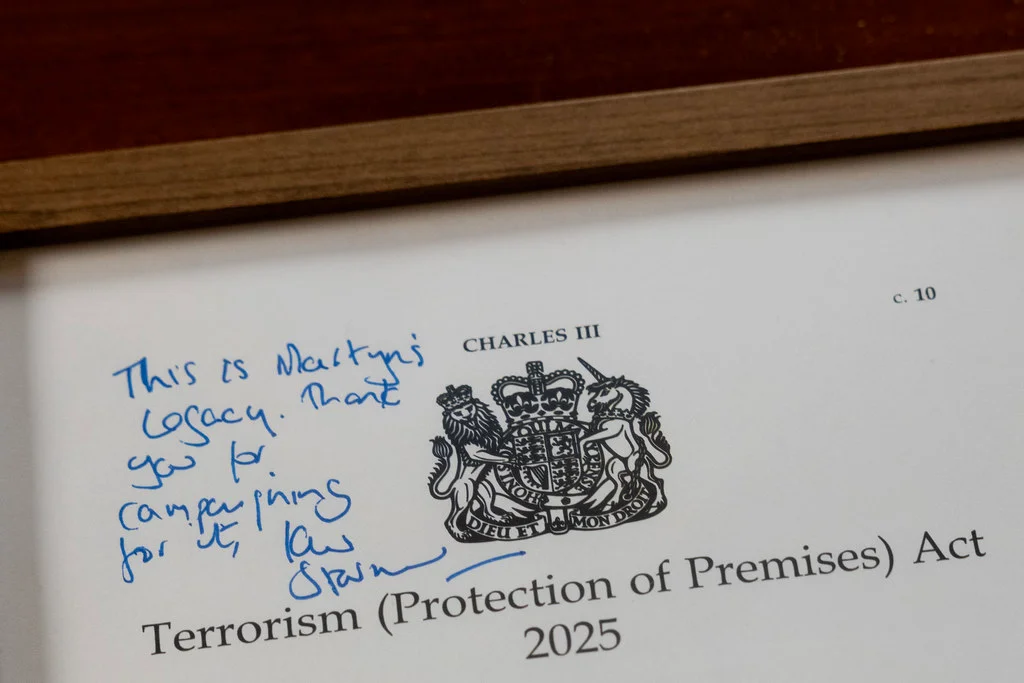
Martyn’s Law, officially the Terrorism (Protection of Premises) Act 2025, is new legislation requiring UK venues to boost public safety against terror attacks. If you run a site holding over 200 people, you must now have a counter-terror plan, and larger venues need physical measures too.
While the primary goal is to keep the public safe, this Act brings new legal duties for business owners. You need to understand these changes now to ensure your premises are compliant before the rules come into full force.
What Is Martyn’s Law?
Martyn’s Law is named after Martyn Hett, one of the 22 people killed in the Manchester Arena attack in 2017. His mother, Figen Murray, campaigned for years to make sure venues are legally required to take security seriously.
Since March 2017, there have been 15 domestic attacks and 43 late-stage plots disrupted (as of April 2025), showing that threats can target anyone, anywhere. This legislation, part of the government’s CONTEST strategy, answers the calls from the Manchester Arena Inquiry to ensure public spaces are finally properly protected.
The Act got Royal Assent on the 3rd of April 2025. However, the government has planned an implementation period of at least 24 months. This gives you a grace period until roughly 2027 to get things sorted. But remember that security upgrades and training take time, so starting early is the smart move.
Does This Apply to You?
It’s easy to assume this is just for massive stadiums or arenas, but the scope is much wider. The law applies to “qualifying premises” and events.
If you run any of the following, you are likely involved:
- Retail stores and shopping centres
- Pubs, clubs, and restaurants
- Theatres and cinemas
- Public spaces like libraries or museums
- Schools and colleges
- Places of worship
- Local authority-run venues or facilities managed by councils
To keep things fair, the law splits venues into two tiers based on how many people fit inside.
The Standard Tier (200–799 People)
If your capacity falls in this bracket, your duties are mostly about procedures. You aren’t expected to rebuild your venue. Instead, you must:
- Notify the regulator (the Security Industry Authority).
- Create a clear plan for evacuation and “invacuation” (locking down inside).
- Train your staff and regularly communicate so they know exactly what to do if the worst happens.
The Enhanced Tier (800+ People)
For bigger venues, the risks are higher, so the rules are stricter. If you can hold 800 or more people, you have to do everything in the Standard Tier, plus:
- Appoint a specific senior person to be responsible for compliance.
- Document a detailed risk assessment.
- Put physical measures in place to reduce the vulnerability of your site to an attack.
Practical Steps You Can Take Now
Compliance sounds daunting, but for most businesses, it starts with a simple walk around your site. The government uses the term “reasonably practicable”, and this is key. It means you have to balance the risk against the cost and effort. They don’t expect a village hall to have airport-style security. They do, however, expect a large concert hall to have proper access control.
Conduct a Risk Assessment
You can’t fix a problem you haven’t found. Walk your perimeter. Look at your site like an outsider would. Where do crowds bunch up? Is your delivery bay wide open? Can a vehicle drive straight up to your glass frontage?
According to the Home Office factsheet, the regulator will provide guidance, but you shouldn’t wait for them to point out your weak spots.
Secure Your Perimeter
For Enhanced Tier venues, or anyone wanting to be thorough, controlling access is the biggest physical change you’ll likely make.Vehicles are often used as weapons in these scenarios, as highlighted by recent UK vehicle attack statistics, so keeping them at a safe distance is vital.s o keeping them at a safe distance is vital.
Additional Resources: Guides to HVM Bollards and Anti-terror Bollards
Manage Vehicle Access
If you have a car park, delivery zone, or a forecourt, you need to control what comes in and out.
You can use:
- Automatic Rising Bollards: These are perfect for busy entrances. They stay down to let staff or deliveries in, but can be raised in seconds to stop unauthorised vehicles.
- Telescopic Security Posts: For smaller budgets or areas that don’t need constant access, these are a solid choice. You pull them up and lock them when the business is closed or during a busy event, and drop them down when you need the driveway clear.
Protect Pedestrians
If you have a queue of people outside a nightclub or a busy shop front, that crowd is vulnerable. Here, you can use:
- Static Bollards: These are fixed permanently into the ground. They stop cars from mounting the kerb or driving into pedestrian zones. They are simple, effective, and often require little maintenance once installed.
Why Waiting Until 2027 is a Mistake
You might be tempted to wait until the implementation period ends. That’s risky.
Firstly, physical security takes time to plan and install. You need to survey the ground, choose the right kit, and get it fitted. Leaving it until the deadline could mean you’re stuck in a backlog of other businesses trying to do the same thing.
Secondly, there is the moral duty. If you identify a risk today, like a wide-open shop front on a busy road, you should fix it. The ‘reasonably practicable’ rule implies that if you could have done something easily and didn’t, you might be liable if an incident occurs.
Installing a bollard is a good first step, but your staff also need to know why it’s there. The aim is to ensure they are ready to save lives, so don’t forget to make security part of your daily conversation.
Your Compliance Checklist
To get ahead of the game, run through this simple list:
- Know Your Tier: Do you hold 200 people, or 800?
- Spot the Gaps: Look for weak points in your perimeter.
- Write the Plan: Get your evacuation procedures down on paper.
- Secure the Site: If you have vehicle risks, look at installing static or automatic bollards.
- Train the Team: Make sure everyone knows the drill.
Don’t Wait for the Deadline, Contact Bison Security Today
Martyn’s Law is a massive shift in how we handle public safety in the UK. It puts the responsibility on you to protect your staff and visitors. By reviewing your physical security now, you aren’t just ticking a box for the government; you are building a safer environment for everyone who walks through your doors.
At Bison Security Posts, we know perimeter protection inside out. Whether you need heavy-duty automatic systems for a stadium or simple telescopic posts for a retail forecourt, we can help you find the right solution that fits the “reasonably practicable” requirement.
For honest advice on securing your business, contact our experienced team on 01708 956833 or scroll down to submit a contact form.